Service
Global Freight Forwarding
Booked, documented and tracked from the supplier's works to a Nigerian port of entry.
Ocean and air freight from any origin into Nigeria, arranged as one movement rather than a series of handoffs. We book the space, handle export formalities at origin, prepare the documentation Nigerian Customs will ask for, and track the shipment through to Onne, Apapa or the airport of arrival.
Because we also clear the cargo and deliver it, nothing is dropped at the handover between freight and customs. That handover is where most delay in Nigerian importing is created — and it is the one we don’t have.
At origin we work to what the Nigerian entry will need, not only to what the export needs. So we check the invoice and packing list against the Form M description before the cargo is collected, specify packing for the leg beyond the port rather than for the sea leg alone, and make sure anything likely to be examined on arrival can be opened without being destroyed.
What drives the cost
- cargo weight and dimensions
- mode and routing
- whether the cargo is regulated
- handling and storage at destination
- duty and levies, which are set by Customs and not by us
What drives the timeline
- whether documentation is in place before the cargo ships
- Customs examination selection
- port congestion at the time of arrival
- onward road access to the delivery site
What's included
- Full container (FCL) and groupage (LCL) ocean freight
- Air freight, including time-critical and AOG movements
- Consolidation at origin
- Export clearance in the country of supply
- Documentation prepared specifically for Nigerian entry
How we do it
- Booking and rate confirmation
- Collection and export packing at origin
- Export clearance
- Carriage to Nigeria
- Pre-arrival documentation — Form M and PAAR raised before the cargo lands
- Handover to our own customs brokerage team
Questions
- What do you need from me to start?
- The commercial invoice, the packing list, and your Form M number if one has been opened. If it hasn't, we can advise on opening it through your authorised dealer bank before the goods ship.
- Can you collect directly from my supplier?
- Yes. Ex works collection is our normal starting point — it is the first stage of the movement we quote, not an add-on.
Air freight and air charter
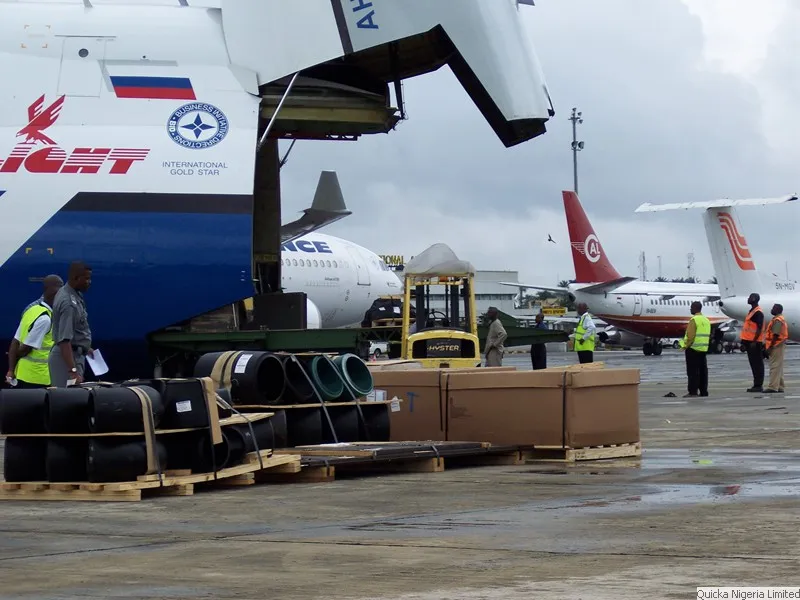
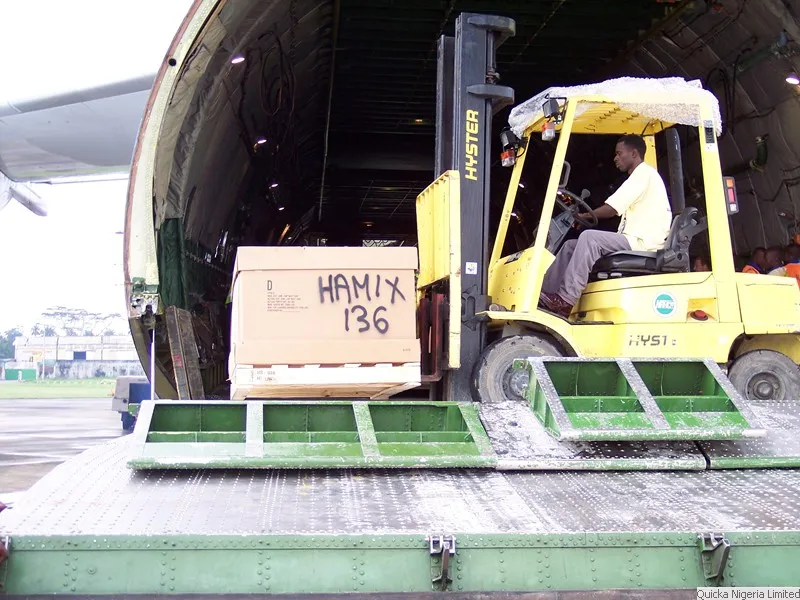
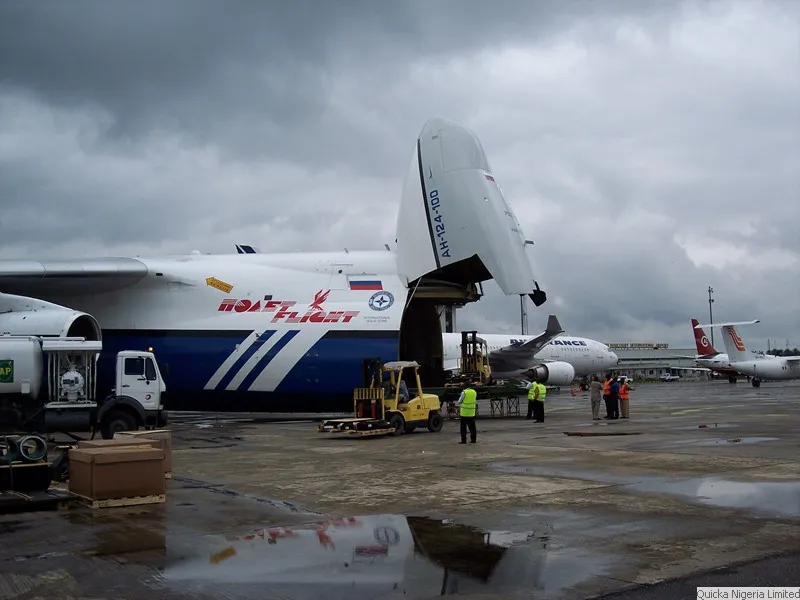
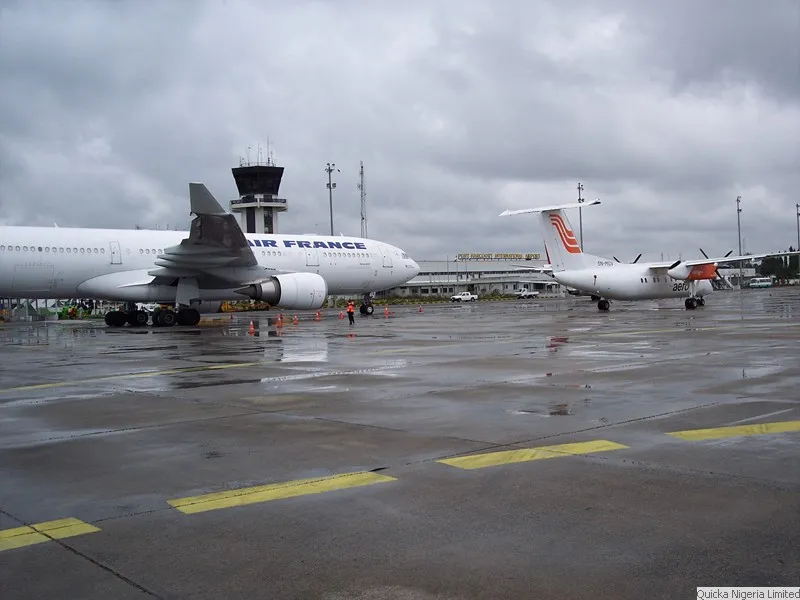
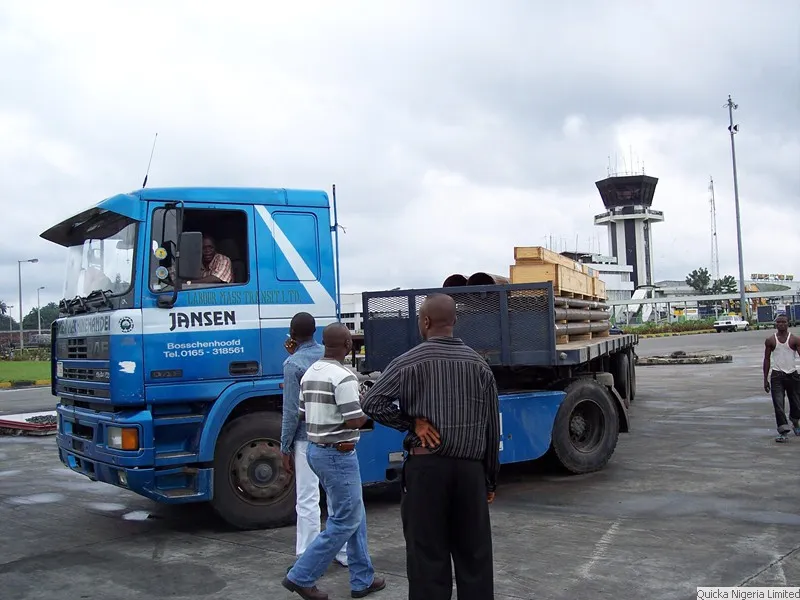
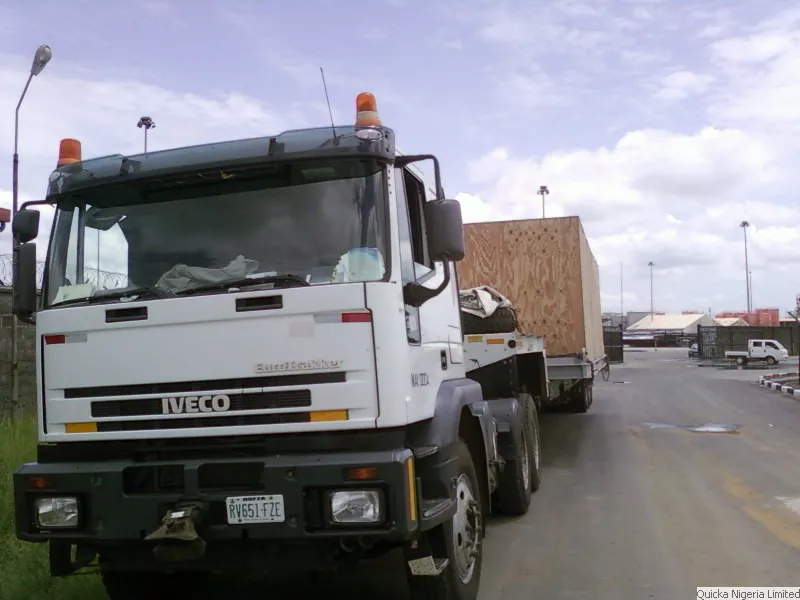
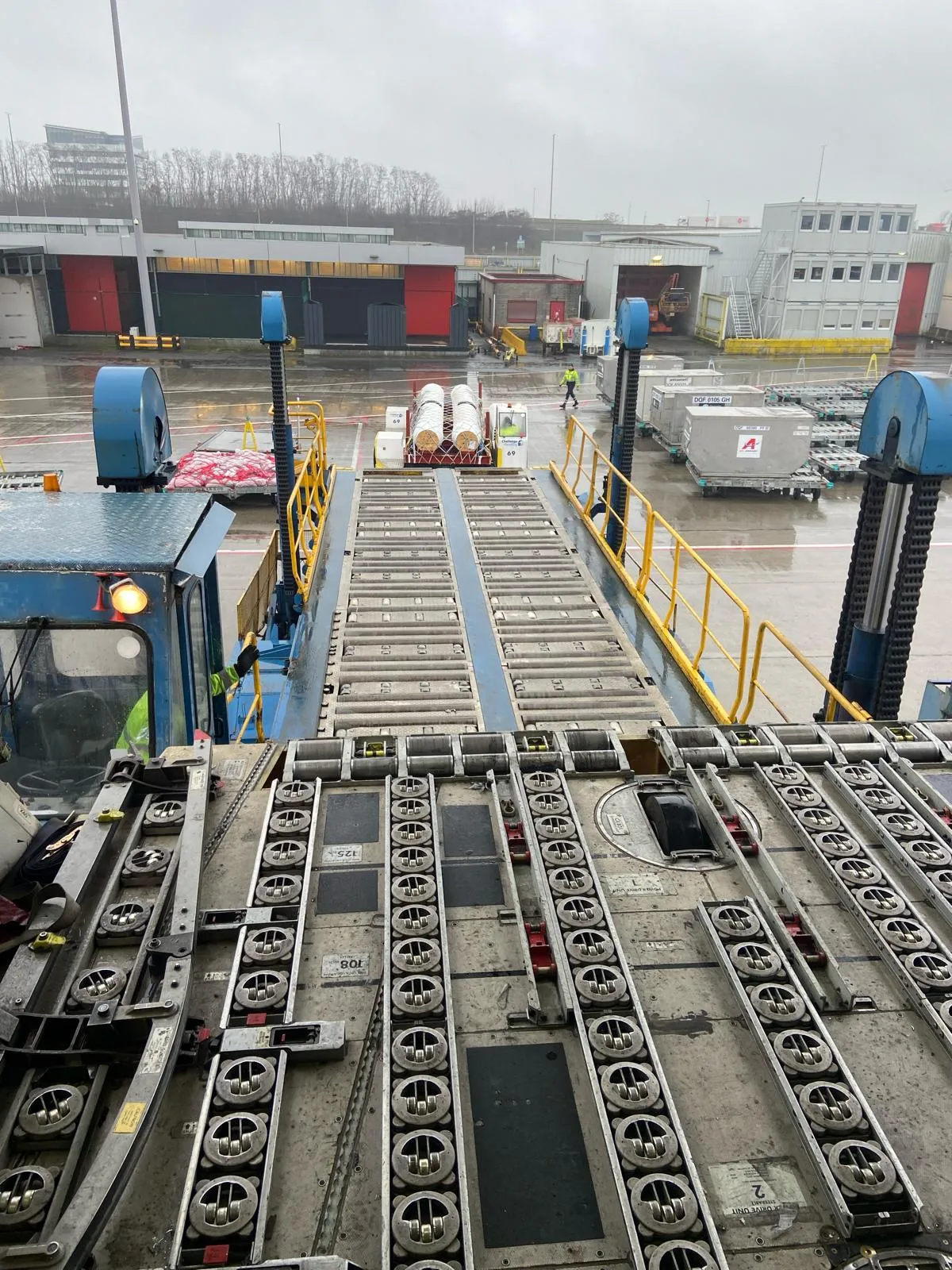
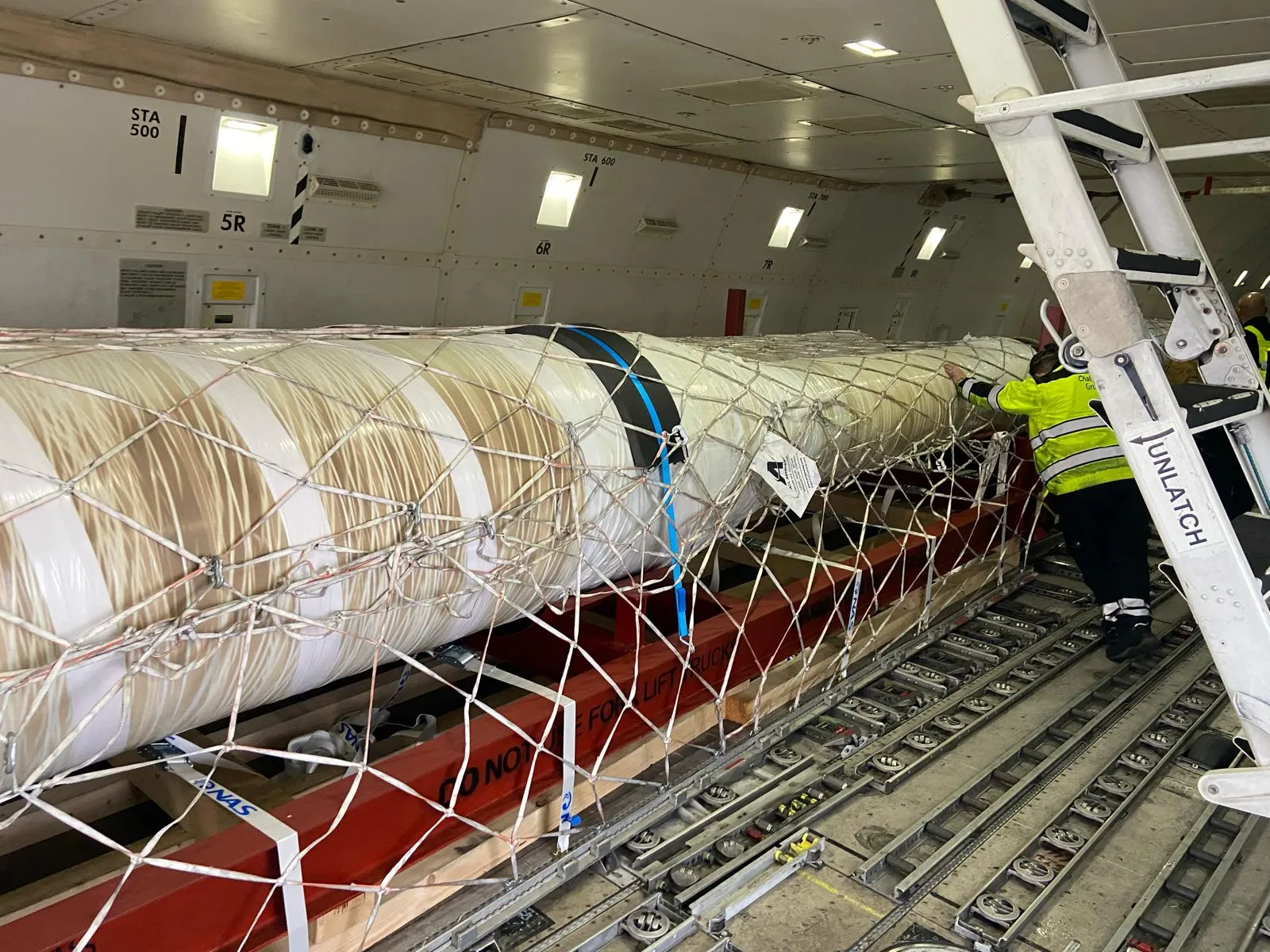
When a consignment will not wait for a sailing, or will not fit a scheduled service, it flies. Main-deck loading at origin, and the airside handover at Port Harcourt — both ends of the same job. The origin frames are captioned as such: the loading there is done by the airport’s own handling agent.
-
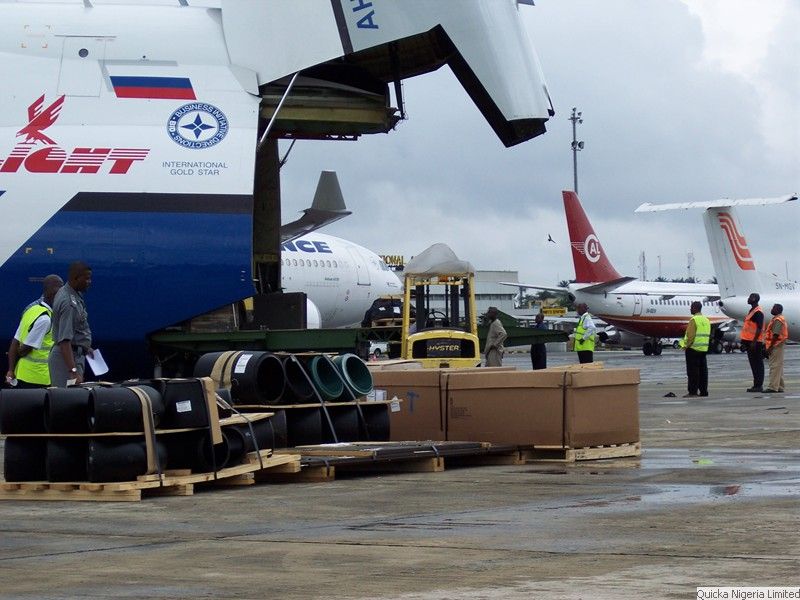
A heavy-lift charter with the nose door raised. Cargo that will not fit a scheduled service goes this way. -
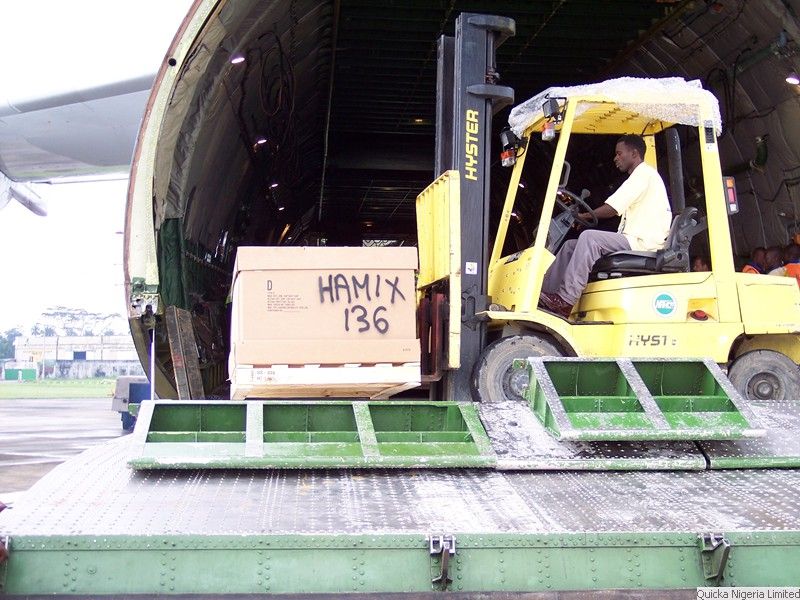
Loading a cased consignment through the nose door of a freighter. Main-deck loading is what makes oversized air cargo possible at all. -
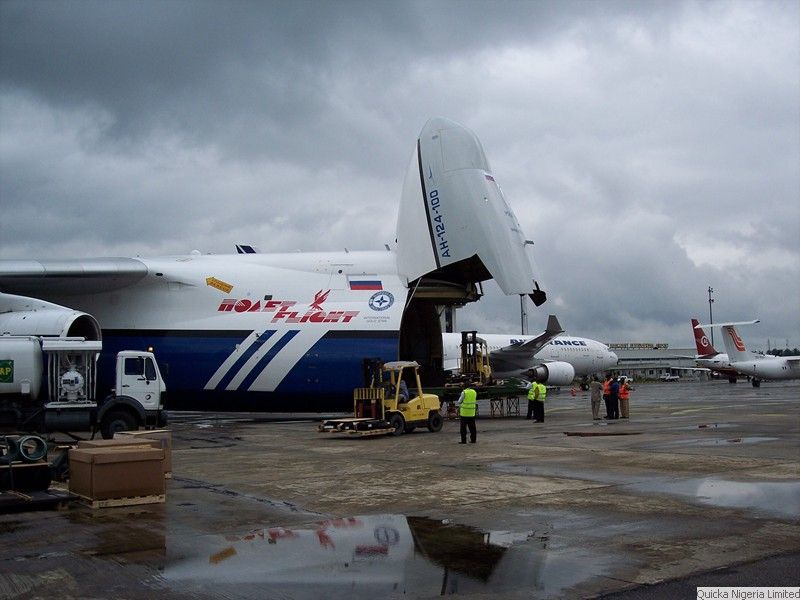
Charter loading in progress at Port Harcourt. -
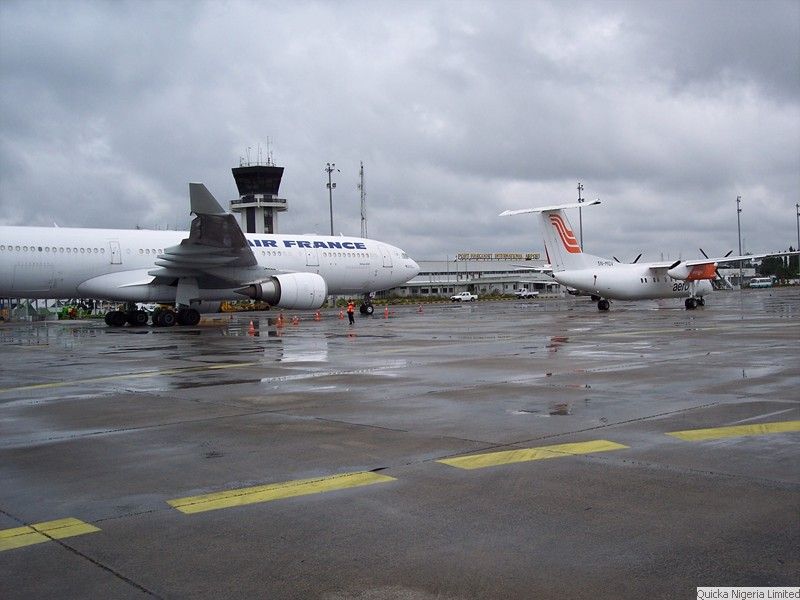
Port Harcourt International — the airside apron where our air freight consignments are received and released. -
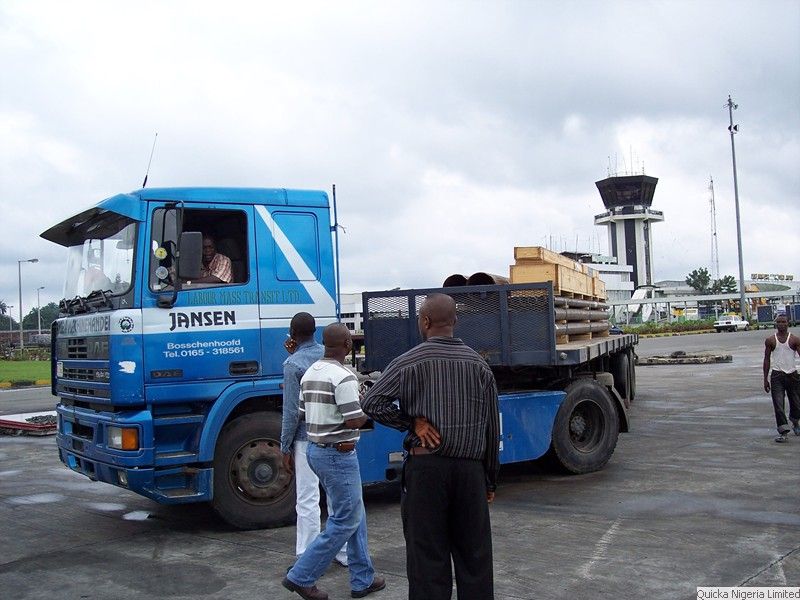
Airside transfer between aircraft and truck, under airport supervision. -
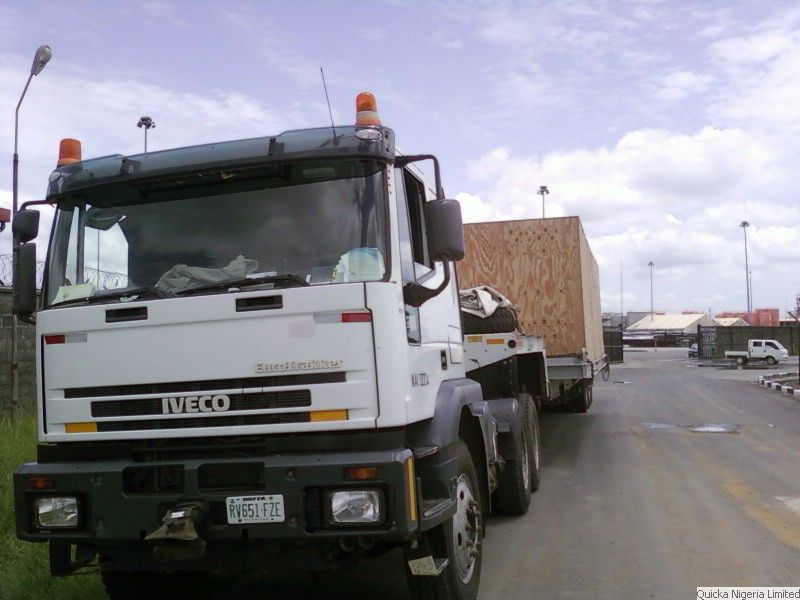
A cased consignment leaving the airport under our control. -
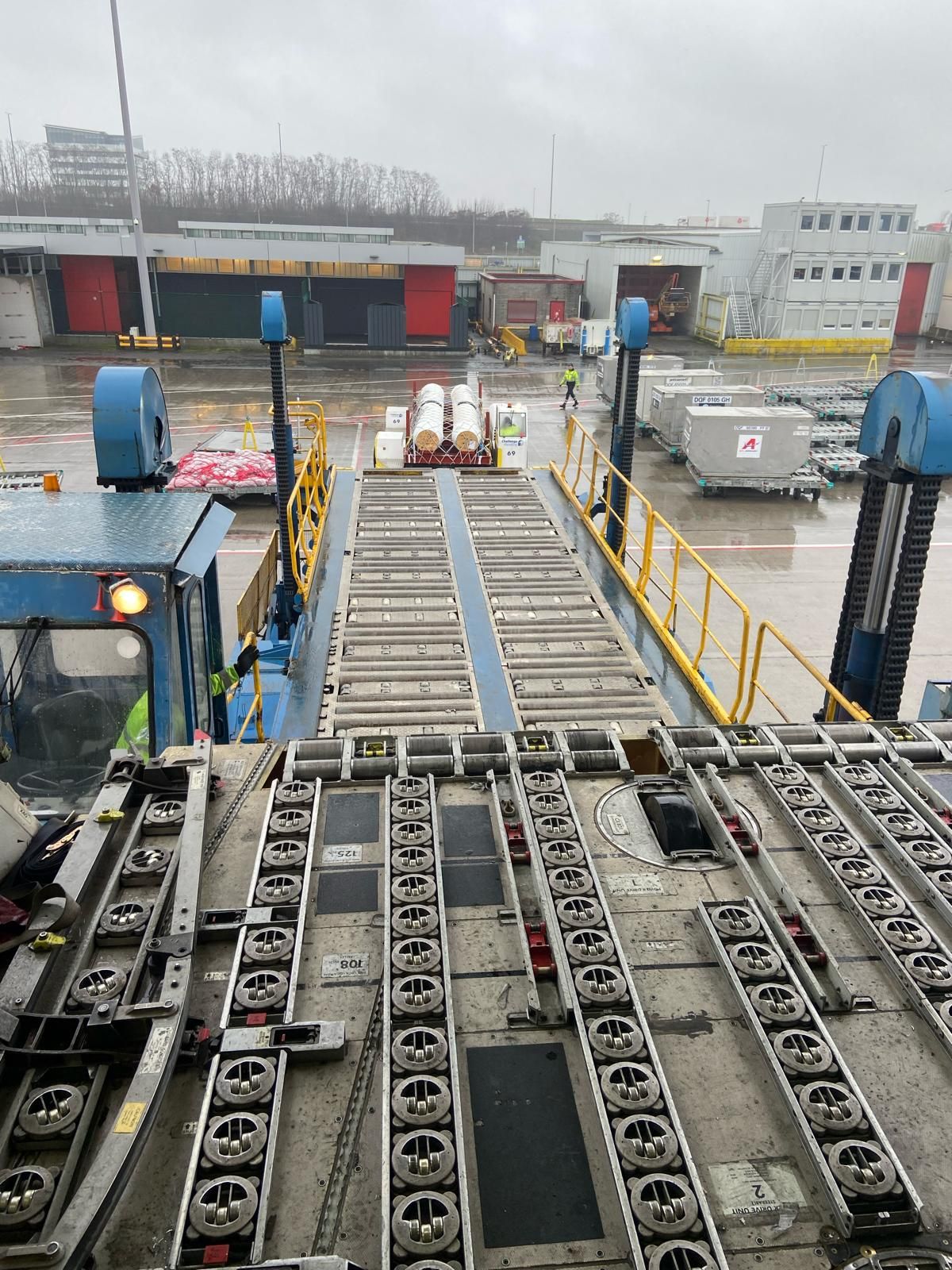
The roller floor a charter is planned around. -
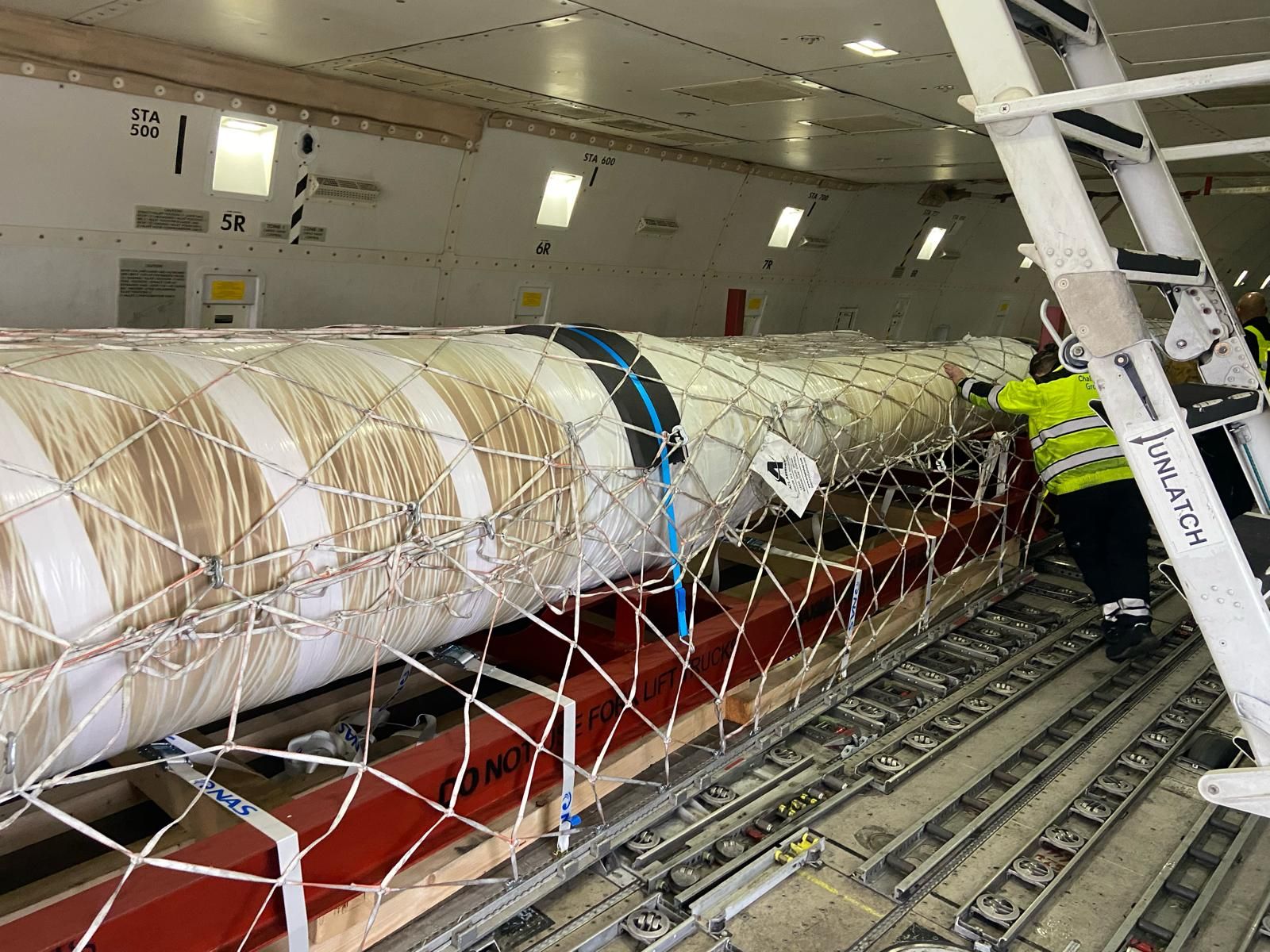
The same bundle netted and locked to the main-deck rails.